


At Auria Pelvic Health, we believe that every body deserves compassionate, personalized care.
For individuals who are neurodivergent—including those with ADHD, autism, learning differences, or other neurological variations—pelvic pain and related health challenges are unfortunately very common, yet too often overlooked.
This blog explores what neurodivergence is, why it may be linked with pelvic pain, and how supportive, sensory-safe care can make a difference.
What Is Neurodivergence?
Neurodivergence is a term used to describe differences in how people think, learn, and experience the world.
Instead of viewing conditions like ADHD, autism, or dyslexia as “deficits,” neurodivergence recognizes them as natural variations of the human brain.
Women and individuals assigned female at birth are often underdiagnosed or misdiagnosed, especially when it comes to ADHD and autism.
They may not show the same outward signs as males (such as hyperactivity) but instead present with:
-
Disorganization and forgetfulness
-
Anxiety and low self-esteem
-
Scattered or inconsistent attention
Additionally, neurodivergent women experience higher rates of conditions like premenstrual dysphoric disorder (PMDD), endometriosis, and Ehlers-Danlos syndrome (EDS)—all of which can directly impact pelvic health.
How Neurodivergence and Pelvic Pain Connect
Many neurodivergent individuals experience physical differences and health challenges at higher rates than neurotypical peers, including:
-
Chronic pain and musculoskeletal weakness
-
Headaches, fatigue, dizziness, and poor coordination
-
Digestive concerns such as constipation, diarrhea, or stomach cramps
-
Urinary urgency, frequency, or incontinence
-
Severe period cramps and painful intercourse
These challenges are often tied to conditions like dysautonomia, fibromyalgia, connective tissue disorders (including EDS), and endometriosis.
Barriers to Care
Unfortunately, neurodivergent people frequently face obstacles in receiving proper medical and
pelvic health care.
Factors include:
-
Interoceptive differences: Difficulty sensing or naming what’s happening in the body
-
Communication differences: Some may be nonspeaking, nonverbal, or communicate in ways that aren’t easily understood in medical settings
-
Overlooked needs: Providers may focus on psychiatric conditions while missing physical symptoms
-
Trauma: Many have faced dismissal or disbelief when reporting their pain
These experiences can not only worsen pelvic pain but also contribute to anxiety, depression, and long-lasting distrust in medical systems.
How Pelvic Therapy Can Help
The good news is that pelvic health therapy can be tailored to support neurodivergent individuals in safe, affirming ways.
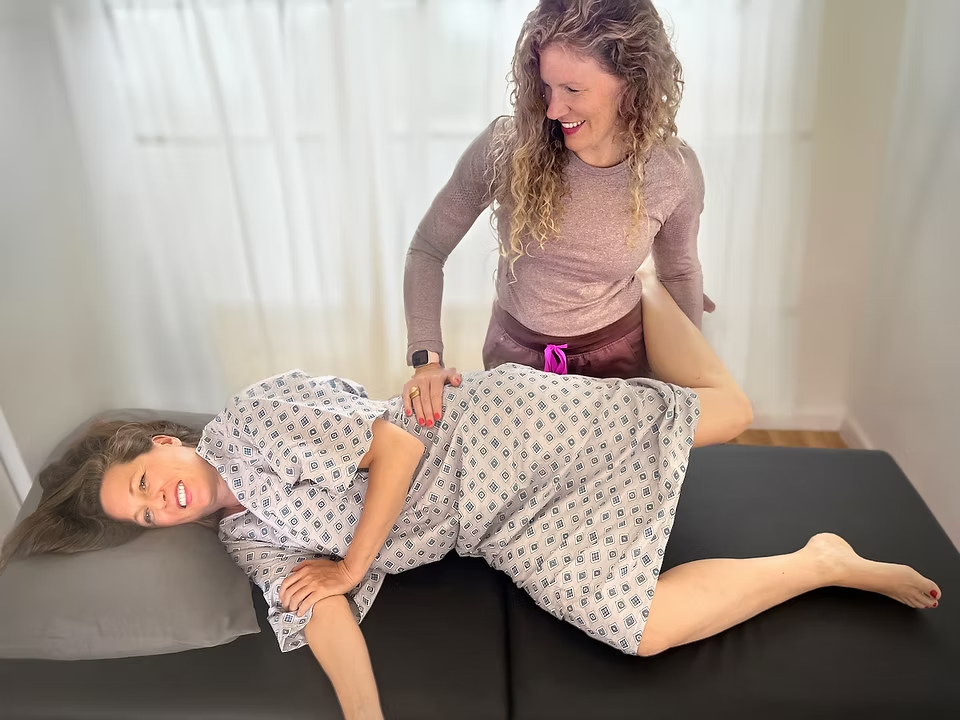
At Auria, we focus on sensory-safe, accessible strategies, including:
-
Soft tissue mobilization & trigger point release to ease muscle tension and pelvic floor pain
-
Relaxation and mindfulness strategies, such as 4-7-8 breathing or guided grounding exercises
-
Warm/cold stimuli to improve interoception (awareness of body sensations)
-
Biofeedback tools to build awareness and control of pelvic floor muscles
-
Gentle functional movement that avoids pain flare-ups (low-impact strengthening, stretching, walking)
-
Diet & hydration strategies to support bowel and bladder health
Our Approach at Auria Pelvic Health
We understand that pelvic pain is not just a physical issue—it’s deeply connected to nervous system regulation, sensory processing, and emotional wellbeing.
By combining compassionate listening with evidence-based care, we create a safe space for neurodivergent individuals to receive the support they deserve.
If you are neurodivergent and experiencing pelvic pain, please know: you are not alone, and healing is possible.