


When a baby is born, so much attention naturally shifts toward the newborn.
But postpartum recovery matters too.
For many new mothers, the postpartum period involves:
-
Physical exhaustion
-
Hormonal changes
-
Sleep deprivation
-
Emotional overwhelm
-
Pain or discomfort
-
Identity shifts
-
Healing from pregnancy and birth
And while pelvic floor physical therapy can provide valuable support during this time, healing is often easier when partners feel informed and involved too.
If your loved one is navigating postpartum recovery, your support can make a meaningful difference.
Postpartum Recovery Is More Than “Bouncing Back”
Social media often portrays postpartum recovery as quick, effortless, or purely aesthetic.
But the reality is that the body goes through enormous physical changes during pregnancy and birth.
Recovery may involve:
-
Pelvic floor dysfunction
-
Core weakness or abdominal separation
-
Pain with movement
-
Leakage
-
Pelvic heaviness or pressure
-
Scar healing
-
Fatigue
-
Low back or hip pain
-
Nervous system overload
Even uncomplicated births require healing. And recovery timelines look different for everyone.
What Pelvic Floor Physical Therapy Helps With
Pelvic floor physical therapy supports the body’s recovery after pregnancy and delivery.
Treatment may address:
-
Core and pelvic floor coordination
-
Breathing and pressure management
-
Scar tissue mobility
-
Pelvic pain
-
C-section recovery
-
Return to exercise
-
Bladder and bowel symptoms
-
Posture and lifting mechanics
-
Nervous system regulation
The goal is not perfection or “getting your body back.”
The goal is helping the body feel supported, functional, and connected again.
How Partners Can Offer Meaningful Support
Many partners genuinely want to help but aren’t always sure how.
Often, the most valuable support is not about “fixing” anything — it’s about creating safety, patience, and understanding during a vulnerable season.
1. Understand That Healing Takes Time
Even when someone “looks fine,” their body may still be healing internally. Pelvic floor recovery is not limited to the first six weeks postpartum. Hormonal shifts, tissue recovery, sleep deprivation, stress, and physical demands all influence healing.
Avoid placing pressure on:
-
Exercise timelines
-
Physical appearance
-
Intimacy expectations
-
“Returning to normal”
Recovery is not a race.
2. Help Reduce Physical Load
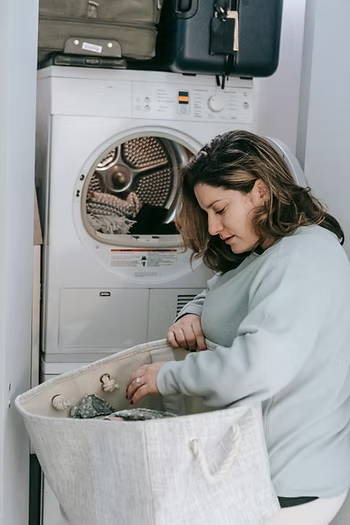
New parents often spend hours:
-
Feeding
-
Carrying
-
Rocking
-
Lifting
-
Bending
-
Sitting in awkward positions
-
Functioning on very little sleep
These repetitive demands can increase strain on the pelvic floor, back, neck, hips, and core.
Small acts of support matter:
-
Taking over lifting when possible
-
Helping with household tasks
-
Encouraging rest
-
Supporting hydration and meals
-
Creating opportunities for recovery
Physical healing is deeply connected to overall stress and load management.
3. Normalize Conversations About Pelvic Health
Many postpartum symptoms are common, but that does not mean someone should simply suffer through them silently.
Your loved one may feel embarrassed discussing:
-
Leakage
-
Pain
-
Pressure
-
Scar sensitivity
-
Changes in intimacy
-
Body image struggles
Creating a judgment-free space can help reduce shame and isolation.

Sometimes simply saying: “You don’t have to go through this alone” can mean more than you realize.
4. Be Patient With Intimacy
Postpartum intimacy can feel complicated physically, emotionally, and hormonally.
Pain, dryness, fear, exhaustion, pelvic floor tension, and nervous system stress can all affect comfort and desire.
Pelvic floor physical therapy can help address many of these concerns, but emotional safety and communication matter too.
Pressure often increases stress and tension within the body.
Patience, empathy, and open communication help create a more supportive healing environment.
5. Encourage Support Without Pushing
Some people feel hesitant seeking help because they assume symptoms are “just part of motherhood.”
Gentle encouragement can help. Rather than minimizing symptoms, try:
-
Listening without immediately problem-solving
-
Supporting appointments when needed
-
Helping create time for care
-
Reinforcing that their symptoms matter
Healing is easier when someone feels supported instead of dismissed.
Whole-body healing after birth is not only physical. The nervous system, hormones, sleep, emotional health, and daily stress all influence healing outcomes.
At Auria Pelvic Health, we view postpartum recovery through a whole-body lens because every aspect of someone’s life affects how they heal.
Supporting a loved one through postpartum recovery does not require having all the answers. Often, it simply requires patience, compassion, understanding, and a willingness to walk alongside them through the healing process.
Postpartum recovery deserves care, attention, and support — not pressure to “bounce back.”
At Auria Pelvic Health, we help postpartum patients and families navigate recovery with individualized pelvic health care, education, and compassionate support every step of the way.