


Your nervous system is your body’s control center, always scanning your environment for signals of safety or danger. When it senses stress, trauma, pain, or tension, it quickly shifts your body into a state of high alert.
This “fight, flight, or freeze” response can be life-saving in true emergencies—but in everyday life, it may lead to patterns of chronic stress.
One of the most common areas affected? Your pelvic floor.
How the Nervous System Affects the Pelvic Floor
The pelvic floor is closely connected to the nervous system and often holds emotions at the very center of your being.
Sensory triggers—such as sights, sounds, smells, or physical sensations—can act as catalysts, signaling the body to protect itself.
When this happens, the pelvic floor muscles may tighten in response. While this is your body’s way of keeping you safe, over time it can create chronic tension, pelvic pain, and difficulty moving into a calm, healing state.
Why Identifying Triggers Matters
By becoming aware of your unique sensory triggers, you can start to understand how your body responds to the world around you.
This awareness allows us, together, to:
-
Create a sense of safety during therapy sessions
-
Develop strategies to calm the nervous system
-
Foster healing both physically and emotionally
-
Reduce pelvic tension and support long-term wellbeing
Sensory Triggers Checklist
Exploring your sensory sensitivities can be an important step in caring for your pelvic health.
Here are some common examples—do any of these resonate with you?
1. Auditory (Hearing)
-
Loud or sudden noises
-
High-pitched or piercing sounds
-
Wet sounds (chewing, kissing, squishing)
-
Repetitive noises (pen clicking, finger tapping)
-
Crowded environments or echoes
-
Certain music
2. Visual (Sight)
-
Bright, harsh, or flickering light
-
Dim or cluttered environments
-
Rapidly moving visuals
-
Intense eye contact
-
Certain colors or contrasts

3. Tactile (Touch)
-
Rough, itchy, or abrasive clothing
-
Tags, seams, or restrictive fabrics
-
Light touch vs. deep pressure
-
Temperature extremes (too hot, too cold, humidity)
-
Sticky, wet, or sweaty sensations
-
Feeling crowded in personal space
4. Smell
-
Strong perfumes, colognes, or sprays
-
Chemical odors or cleaning products
-
Cooking smells or certain foods
-
Smoke, pollution, or floral scents
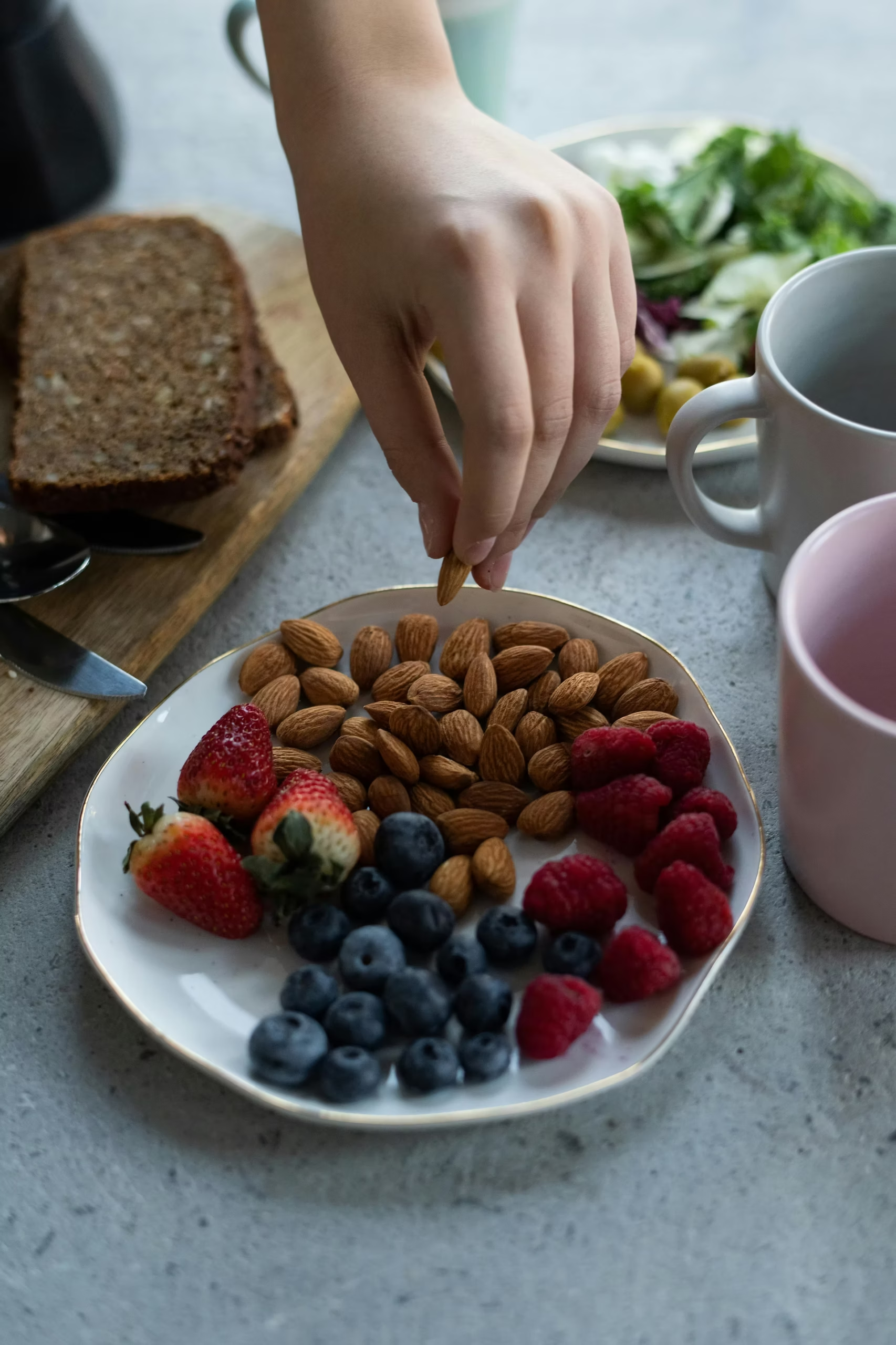
5. Taste
-
Spicy, sour, bitter, or very strong flavors
-
Foods with texture differences (e.g., fruit in yogurt)
-
Temperature contrasts in food or drink
-
Unfamiliar foods or food combinations
6. Movement
-
Rapid or erratic movement
-
Confined spaces
-
Transportation (cars, boats, planes)
-
Swinging, rocking, or heights
-
Unstable walking surfaces
Supporting Nervous System & Pelvic Floor Healing
At Auria Pelvic Health, we use sensory-informed strategies to help calm the nervous system and reduce pelvic floor tension.
These may include:
-
Breathing and grounding exercises (like 4-7-8 breathing)
-
Gentle soft tissue release and relaxation techniques
-
Mindfulness practices to foster safety in your body
-
Gradual exposure to sensory input in a supportive way
Our goal is to help you feel safe, supported, and connected to your body—because when your nervous system feels calm, your pelvic floor can finally relax and heal.
At Auria, we believe your story, your body, and your experiences matter.
Healing begins with safety—and we’re here to support you every step of the way.